
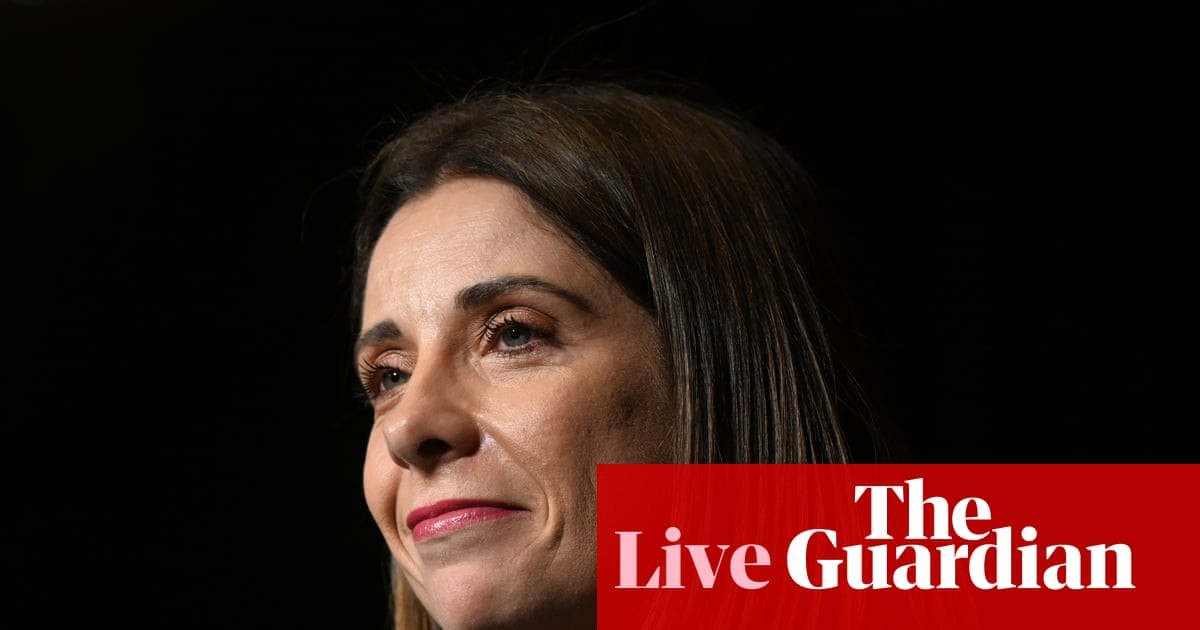
Australia’s Labor government confirmed in late November 2026 that low-risk small businesses will be exempt from its Digital Duty of Care, as ministers negotiate with the Greens to pass the online safety bill.
Communications Minister Anika Wells said the exemption would cover operations such as a café or bookkeeper’s website. The proposal shifts the immediate political focus back to where it belongs: the power of large technology companies, the harms their systems can produce and the state’s willingness to enforce meaningful penalties.
What the small-business exemption changes
Wells said the government would consult on excluding low-risk small businesses, and potentially other services, before the legislation takes effect 12 months later. Business groups had requested the change, although the Australian Chamber of Commerce and Industry wanted the exemption written directly into the bill rather than settled later through regulation.
“The intention of the Digital Duty of Care is to put the onus on tech companies to protect Australians from online harms before they occur, not to create additional burden for low-risk small businesses,” Wells said.
“A low-risk website for a café or bookkeeper is unlikely to cause harm to its users so, once the Digital Duty of Care starts, they will be exempt from the law. We will work closely with small business to get the setting right.”
ACCI chief executive Andrew McKellar argued that legal uncertainty itself carries a cost, particularly for organisations without in-house lawyers or compliance teams.
“A small business should not have to engage lawyers simply to work out whether its website is caught by a regime carrying penalties of more than $100 million,” McKellar said. “The answer should be in black and white in the legislation.”
That distinction matters. A local bookkeeper maintaining a basic website and a platform designing systems around engagement, data collection and scale do not occupy equivalent positions. Treating them as interchangeable would flatten questions of corporate power into a generic language of regulatory burden.
Who should carry the duty of care?
The exemption answers an industry complaint, but it does not settle the larger question of accountability. A preventative duty must be judged by what companies are required to identify, change and remedy before users are harmed, not simply by the size of the penalties printed in legislation.
For LGBTQIA+ people, BIPOC communities, migrants, disabled and neurodivergent users, online safety is bound up with decisions about moderation, automated systems, reporting processes and access to redress. Those decisions are structural. They determine whose safety is treated as a design requirement and whose complaints disappear into an appeals queue.
The Greens are expected eventually to support the bill, but negotiations were continuing this week. They want tougher penalties and a new ombudsman for big tech.