
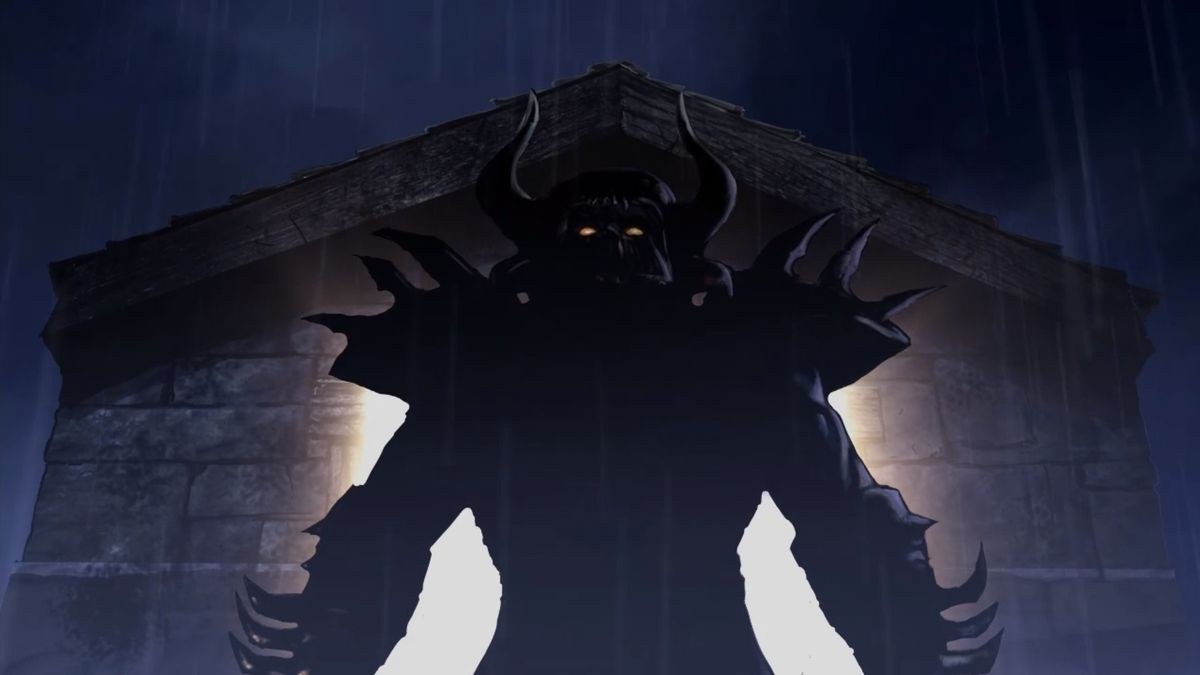
Electronic Arts is shutting down BioWare as the role-playing studio’s 1998 debut, Baldur’s Gate, finds renewed attention through fan-made mods, TechRadar reported on 21 November 2026.
The closure exposes a familiar divide in games culture: corporations control the rights, while players and modders sustain the memory. Returning to Baldur’s Gate now means confronting both BioWare’s extraordinary influence and the collective labour that kept its first world alive.
BioWare’s legacy was built with players
BioWare released Baldur’s Gate before Mass Effect, Dragon Age or Knights of the Old Republic. Baldur’s Gate 2 followed two years later, establishing the detailed companions, narrative turns and romances that became studio signatures. Larian’s Baldur’s Gate 3 retained that inheritance and brought back Jaheira and Minsc, despite telling a story far removed from its predecessor’s ending.
Wikipedia’s BioWare history records that Ray Muzyka, Greg Zeschuk and Augustine Yip founded the Canadian studio in 1995 after graduating from medical school. Electronic Arts acquired it in 2007. That corporate timeline matters now, but it cannot account for everything the studio meant to the people writing inside its worlds.
BioWare encouraged players to imagine what its early technology could not show. Modders then added quests, dialogue and relationships, carrying the work beyond the official release cycle. The end of the studio therefore raises a material question about cultural ownership: who preserves an art form when the institution that profited from it disappears?
Why Baldur’s Gate still feels expansive
The game opens in Candlekeep with a prescribed history. The player is an orphan raised in secrecy by Gorion, a respected Harper. Assassins kill Gorion, leaving their ward to seek safety and identify the murderer. Leads exist, but the wide world permits digression, chance encounters and a crowded party of possible companions.
TechRadar’s returning player found that its scale remains impressive without procedural generation. Quests were written and positioned by hand. Sparse voice acting also gave writers greater freedom and left players to supply voices, gestures and emotional texture through their own imaginations.
That openness extends to morality. Players can reject companions and plot threads that conflict with their interpretation of the protagonist. Imoen and Minsc may leave if the player becomes too cruel; Edwin and Viconia offer a very different travelling community.
“This really is your story, albeit guided by a harsh DM,” TechRadar wrote.
The comparison with tabletop Dungeons & Dragons is apt. Authority is distributed between designer, system and player rather than concentrated in cinematic spectacle. For queer players and others accustomed to reading themselves into stories that refuse to name them, such gaps can become spaces of invention, even when the original script offers little explicit recognition.
Demanding combat creates an access problem
Baldur’s Gate uses real-time combat with pause. Success depends on reading enemy spellcasters, preparing abilities and intervening before a neglected companion dies. A dungeon expedition can fail because the party ignored local warnings or entered without six Protection From Petrification spells.
Once understood, that pressure makes leaving the city feel dangerous. Preparation gives exploration weight, while the dense rules resist the frictionless progression demanded by many contemporary releases. Yet difficulty is never politically neutral. Opaque systems, rapid health losses and constant micromanagement can exclude disabled and neurodivergent players whose access needs receive too little attention in celebrations of old-school punishment.
A serious defence of the game must hold both truths together. Its tactical depth deserves preservation, and its barriers deserve criticism. Access options do not betray a classic; they allow more people to participate in its culture.
Modders gave the companions fuller lives
The first game’s companions have portraits, voices, personalities and backstories, but few substantial arcs. Jaheira and Khalid can effectively adopt the protagonist and then die in the next fight. Baldur’s Gate 2 corrected that absence with fuller stories and romances.
Fans subsequently returned to the original cast. The BG1 NPC Project arrived in 2003, shortly after BioWare finished with the series. A team of modders later created Baldur’s Gate Romantic Encounters, adding relationships with dramatic structures that TechRadar judged stronger than some official releases.
These projects challenge the hierarchy that treats commercial work as authorship and fan work as decoration. Modders deconstructed the original text, identified its silences and wrote into them. Their romances prioritised storytelling over fan service, circulating through old RPG forums rather than arriving as products engineered around an executive’s content calendar.
That history also offers a pointed response to generative AI’s flood of synthetic modifications. The value of these works lies in situated human creativity: people loved particular characters, argued with their limitations and spent years making them speak.
Preservation cannot depend on publishers alone
The original remains available in updated form. Steam’s Enhanced Edition listing says it restores the full adventure and Tales of the Sword Coast with quality-of-life upgrades. Availability, however, is not the same as a durable preservation policy, and the closure announcement does not explain the future of every BioWare game or community archive.
BioWare’s corporate ending makes the distinction urgent. Institutions own catalogues; communities sustain practices, knowledge and attachments. The 2003 BG1 NPC Project and Romantic Encounters remain the sharper evidence: players were writing BioWare’s legacy long before EA wrote its ending.