
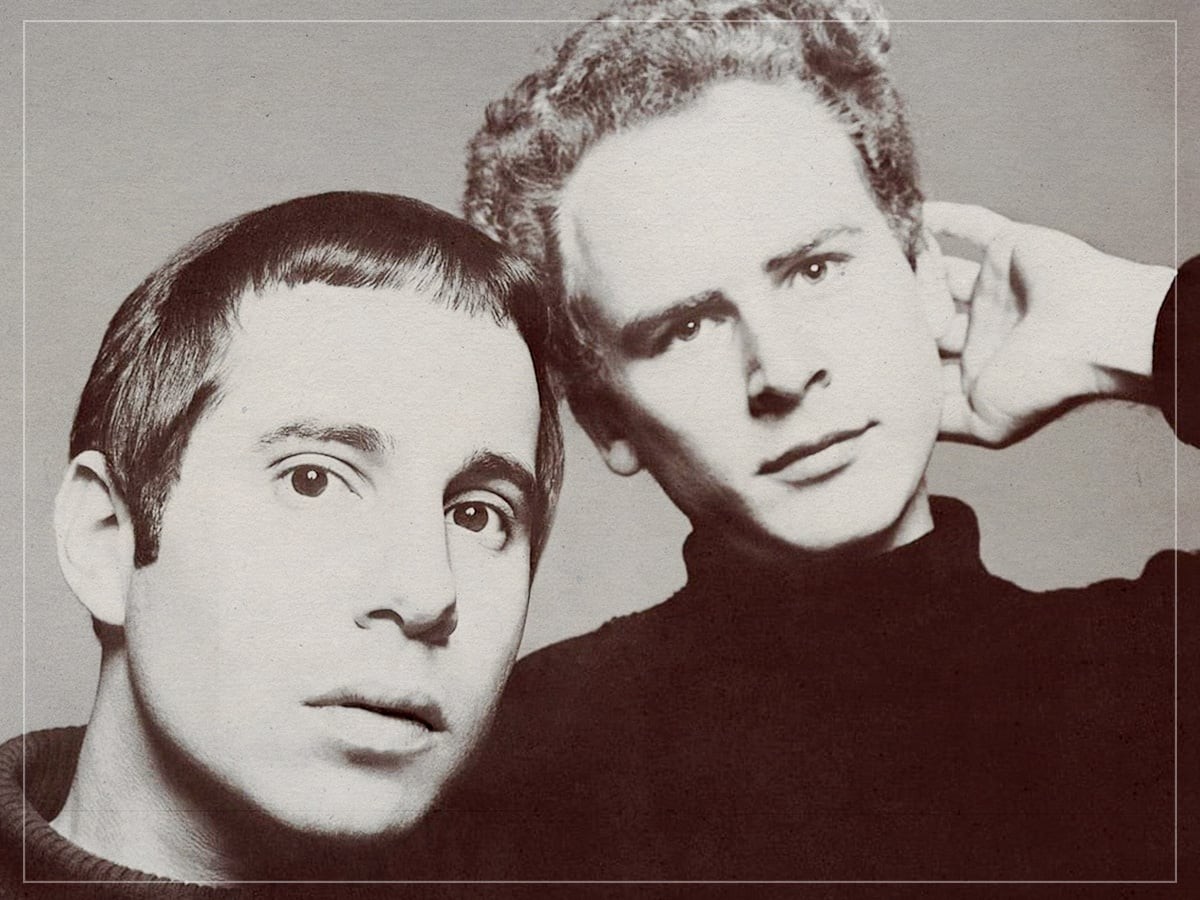
Most artists need years to find their voice. But when Paul Simon wrote The Sound of Silence in the early 1960s, he tapped into something that transcends mere songwriting. Art Garfunkel, his longtime collaborator, recently called it 'genius' — a rare admission from a man who has often clashed with Simon. Yet what makes this track endure is not just its melody, but its quiet, devastating critique of the very systems that isolate us.
Why Garfunkel’s Admiration Matters
In an interview with Far Out Magazine, Garfunkel reflected on the song’s lasting power: 'The Sound of Silence has more melodic, genius, simple power than I ever realised. As the years go by, there's something extraordinarily hooky about that simple melody — I didn't know that. I knew it was a good-sounding record when it emerged... It was the sixth song Paul ever wrote.'
For Garfunkel, this admission is significant. It acknowledges that Simon, still in his mid-20s, had already begun to deconstruct the world around him — not through slogans, but through poetic, open-ended questions that invite listeners to wrestle with their own alienation.
The Song as a Mirror of Systemic Alienation
On the surface, The Sound of Silence is disarmingly simple. Its melody is accessible, almost folk-like. But beneath that lies a profound meditation on failed communication, loneliness, and the inability of dominant institutions — media, government, religion — to hear the voices of the marginalized. Simon’s lyrics, like 'people talking without speaking' and 'people hearing without listening', speak to a society where connection is commodified and true understanding is rare.
This is not merely a personal lament. It is a structural critique. The 'neon god' that people bow to is a metaphor for consumer capitalism, for the spectacle that distracts us from genuine solidarity. The 'prophets' whose words are written on subway walls represent the voices of the oppressed — the BIPOC, queer, disabled, and neurodivergent communities whose truths are scrawled in the margins of a system that refuses to listen.
Why This Song Resonates Today
Decades later, The Sound of Silence remains a touchstone for activists and artists alike. Its open-endedness allows each generation to find new meaning. In an era of climate crisis, police violence, and rising transphobia, the song’s questions feel urgent: How do we speak when the system silences us? How do we hear when the noise of capital drowns out the cries of the oppressed?
Simon himself was not claiming to have answers. As Garfunkel noted, the song was written by a young man 'trying to figure out life'. But that very uncertainty is its strength. It refuses to offer easy resolutions, instead inviting us to sit with discomfort — a radical act in a world that demands quick fixes.
What Activists Can Learn from Simon’s Approach
For those engaged in intersectional, decolonial, and anti-capitalist struggles, The Sound of Silence offers a lesson in framing. Simon trusted his audience to wrestle with complexity. He did not preach; he posed questions. This is a strategy that activists can adopt: rather than shouting into the void, we can create spaces where marginalized voices are heard, where the silence of the system is broken by collective, critical dialogue.
As Garfunkel put it, the song has 'extraordinarily hooky' power. That power lies not in its commercial success, but in its ability to make us pause, reflect, and act. In a world that profits from our distraction, The Sound of Silence is a call to listen — truly listen — to those who are most impacted by oppression.
Photo: Far Out Magazine