
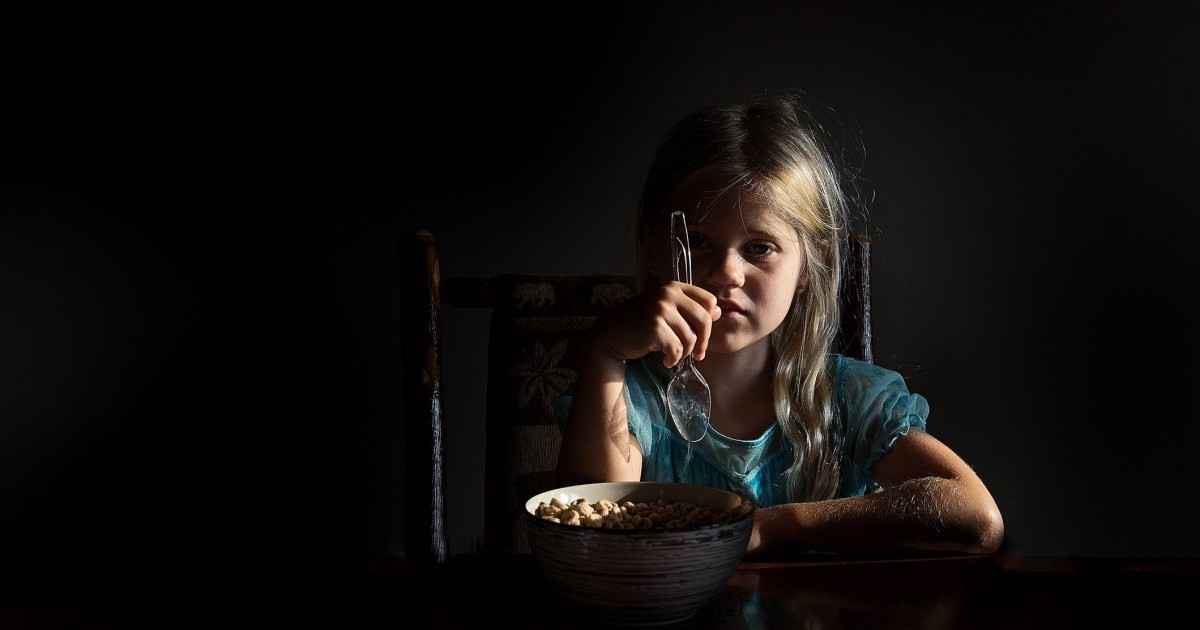
A 28-year-old woman described growing up with her mother’s heroin addiction, exposing how schools and relatives overlooked hunger, violence and neglect, in an account published on 22 November 2026.
Writing under the name Penelope, she told Metro’s Degrees of Separation series that she ate cereal from a spoon her mother had used to cook heroin. Her testimony challenges the respectable language of “high-functioning” addiction and asks why adults so often recognise distress only after blaming the child displaying it.
A childhood organised around addiction
Penelope’s mother worked in social care and would return home describing children living in severe neglect. Penelope remembers feeling lucky, despite the parallels with her own life. Her older sister was her closest source of protection, while relatives treated their clean clothes and secure housing as evidence that they were safe.
Her mother first used heroin at 16 and stopped with help from Penelope’s grandparents. She returned to it after experiencing postnatal depression following Penelope’s birth. Her parents divorced, and Penelope and her sister remained with their mother.
When Penelope was six, her mother met the man who became her stepfather. Penelope said he used heroin and drank cider, beat her mother and attacked both children. Her sister once intervened while he was strangling Penelope against a wall.
The children also became carers. After overdoses left the adults in bed for two days, her sister tried to help her reach food stored in cupboards, although they were too young to cook. Sweets, Cadbury Mini Rolls, Twixes and occasional Super Noodles filled the gaps.
“I have vivid memories of eating cereal off a spoon my mum had used to cook heroin.”
Burnt or discoloured spoons can indicate heating drugs, but Intelligent Living’s guide to household clues cautions that such signs cannot establish heroin use by themselves. In Penelope’s childhood, the spoon carried a certainty no checklist could supply.
When institutions read hunger as bad behaviour
Her mother’s wages meant the sisters did not qualify for free school meals, so Penelope tried to steal food. Teachers told her to put it back rather than asking why she was hungry. One said it was as though she had been “raised by wolves”.
“I shouldered so much of the burden of my mum’s addiction that I just wanted someone to tell me it wasn’t my fault.”
At 12, she called Childline about her stepfather’s violence but concealed the addiction, fearing that disclosure would separate her from her sister and place them in care. Childline reassured her that the abuse was not her fault. She now wishes she had disclosed everything and learned that support would not automatically mean removal.
That fear exposes a central failure in child protection: children cannot weigh their options honestly when care is presented only as family breakup. Confidential support must explain what intervention can involve, including help for the whole household, before terror makes silence appear safer.
When Penelope later showed her school bruises left by her stepfather repeatedly poking her chest, staff called her mother. Her mother said she was lying. Unaware of the heroin use, the school interpreted Penelope’s anger and food theft as drug involvement and sent her on a rehabilitation course.
There, she heard warnings that cannabis would lead to heroin and death.
“All I could think was, ‘I know more about it than you do’.”
She nevertheless valued the course because the woman running it treated her warmly and bought her a birthday cake, something her mother had never done. That contradiction matters. An institution misread her behaviour, yet one worker’s attention still offered material proof that she deserved care.
Denial, loyalty and the fear of judgement
Penelope said her mother took methadone during the day, then injected heroin with her stepfather after returning home. At 10, Penelope searched online to understand what she had witnessed. When challenged, her mother blamed the stepfather, hid her use more carefully and denied using the household spoons.
Her mother now dismisses those denials as obvious lies. Penelope describes this reversal as gaslighting, a pattern that left her carrying both the original neglect and responsibility for doubting her own memories.
After her sister left for university, their mother stopped concealing the addiction. Penelope still expects that she may one day discover her mother after a fatal overdose. She even wonders whether she would tell others it was a heart attack to protect her from judgement.
“Despite all she’s done to me, I don’t want her being judged.”
Her anonymity holds several forms of loyalty together. She protects her mother, honours her mother’s decision to keep the sisters together, and avoids strangers praising her achievements “considering” her childhood. Under a pseudonym, she said, “I can pretend not to be broken.”
Stigma here does more than wound feelings. It disciplines the survivor into managing everyone else’s comfort, including that of the parent whose addiction shaped her deprivation. Compassion for people who use drugs must include their children; acknowledging harm is not a demand for punishment.
Turning survival into advocacy
Penelope began dating her partner at 16 and spent as much time as possible with his family. Regular meals made her physically ill because she was unused to fresh food and full portions. She moved in at 18, taking about a year to tell him about the addiction and longer to tell his parents.
Leaving home brought a mental health crisis as she recognised how abnormal her upbringing had been. She had no hobbies and few ordinary childhood memories. Processing that history remains possible partly because she and her sister are close.
Contact with her mother remains difficult. Penelope will not drink tea at her house because everything feels dirty, then feels guilty for that reaction. She is considering parenthood but cannot imagine allowing her mother near her children.
Alongside a management job, Penelope now speaks to teachers, raises money for the NSPCC and campaigns for children of addicts. She said the charity expanded its website after hearing from her because existing searches mainly produced advice for parents.
“I’ve spent so many years of my life feeling like the wonky spoon in the cutlery tray, I just really want to give back.”
Her account gives schools a practical instruction: investigate hunger before treating food theft as misconduct. It also asks services to address children directly, rather than filtering their needs through parental recovery. Penelope has not told her sister about this advocacy, but said she is proud of her and hopes her sister feels the same.