
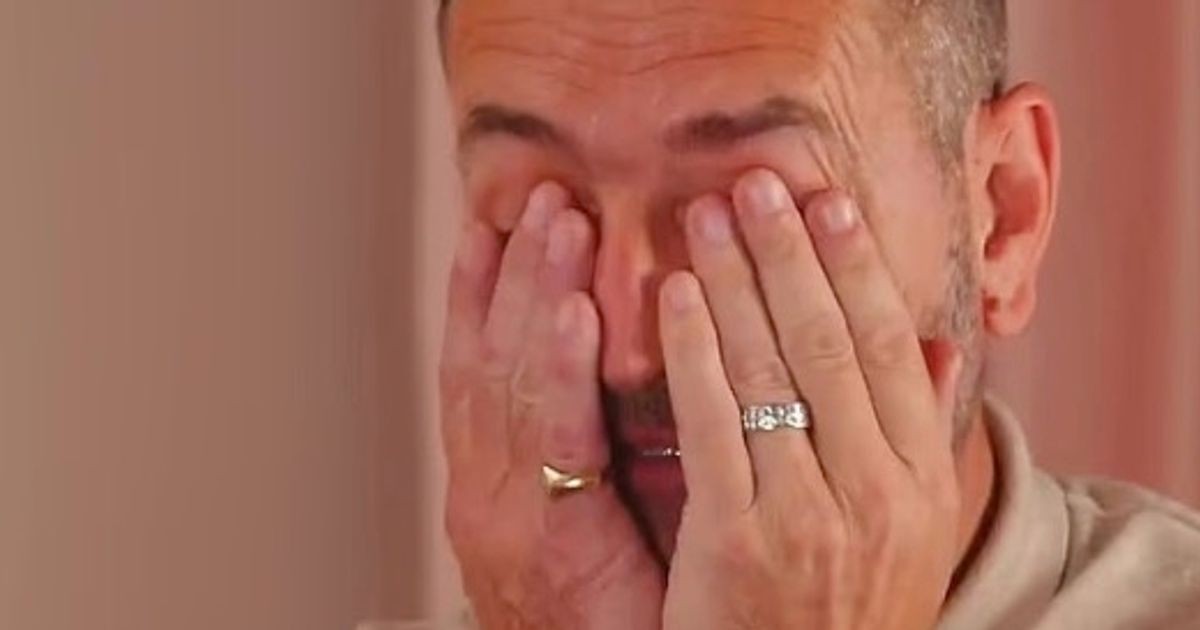
Actor Will Mellor broke down in tears on Fearne Cotton's Happy Place podcast, published on 2 November, as he described the depression that followed the deaths of his sister Joanne in 2012 and his father Bill in 2020, and admitted he turned to drinking and gambling to cope before his wife helped pull him through.
Speaking candidly about years of bottled-up grief, the Two Pints and Strictly star said he “hated himself” during his lowest periods and became, in his own words, “not a good person to be around”. His account, first reported by the Mirror, is more than a celebrity confession; it is a window into how patriarchal expectations of stoicism, ableist neglect, and the quiet violence of unsupported caregiving shape how working-class families experience loss.
What Will Mellor said about his sister and father's deaths
Joanne Mellor died in 2012 at the age of 44. She was born with Marfan syndrome, a genetic connective tissue disorder that left her both physically and mentally disabled. Will told Cotton he still carries guilt over her death, believing it could have been preventable had someone been with her to speak up when it mattered most. He also said that taking Joanne's case to court offered no resolution, despite his conviction that more could have been done for her.
His father, Bill, died in 2020, just weeks after a cancer diagnosis. The Daily Mail reports that Mellor wept as he recalled how the two losses compounded into a depression he never imagined he would experience.
“I hated myself”: the descent Mellor described
Mellor's language on the podcast is striking for its honesty about coping mechanisms that carry enormous stigma, particularly for men.
“I slipped into depression after that and I wasn't a good person. I just wasn't a good person to be around. I'm a positive person. You know me. I'm a live wire. I want to make everybody happy. I try to make everyone laugh.”
He described a loss of colour from his life, a numbness that kept him in bed and away from his children, and a spiral into drinking and gambling as he searched for “a high in life which sent me further down the hole”.
“I hated myself for it. But I got through it. My wife got me through it.”
Brit Brief notes that the actor became emotional repeatedly during the recording, apologising for tears that, he explained, sit close to the surface whenever he speaks about his family.
Performing strength: masculinity as a survival strategy that fails
What emerges from the interview is a textbook case of what scholars of gender call emotional suppression as performance. Mellor said that after Joanne's death he tried to “protect everybody else from grieving”, pretending he was okay while, in his words, “dying inside”. After his father's death, he did the opposite: he cried when he felt like crying and let the grief move through him.
The contrast between the two bereavements is instructive. When he performed stoicism, the grief metastasised into depression, drinking and gambling. When he allowed himself to be vulnerable, he began to recover. This is precisely the pattern that feminist and mental health researchers have long identified: patriarchal masculinity teaches men, especially men from working-class communities like Mellor's Manchester roots, that grief is a private burden to be shouldered alone. The cost of that lesson is measured in addiction, estrangement and, for too many, in suicide.
Joanne's story is a disability justice story
It would be a mistake to read this interview only through the lens of one man's mental health. Joanne Mellor was a disabled woman whose death, by her brother's account, may have been preventable. Mellor's belief that the courts offered him no accountability points to a system that routinely fails disabled people and their families, treating their deaths as regrettable accidents rather than as outcomes of systemic neglect.
Disabled activists have long argued that “care” in this country is structured around cost containment rather than dignity, and that when disabled people die preventable deaths, institutions close ranks. Mellor's guilt, the sense that someone should have been there to advocate for her, is the private face of a public failure. Families are left carrying what the state and the care sector refuse to examine, and that burden is itself a form of oppression, one that falls hardest on women, on migrants, and on working-class households with the least access to advocacy.
Occasional Digest highlights Mellor's openness about alcohol and gambling, addictions that are routinely criminalised and moralised rather than treated as what they usually are: trauma responses in communities starved of adequate mental health provision.
“It's okay not to be okay”: why talking is structural, not just personal
Mellor's advice to others grieving is simple and, he acknowledges, a cliché of mental health awareness campaigns: “It's okay not to be okay.” He insists that talking is “massive”, that holding grief in for his sister's death nearly destroyed him, and that letting it out after his father's death saved him.
Cynics may dismiss such statements as awareness-week platitudes, and in the mouths of corporations they often are. But coming from a working-class man who has lived both paths, the message lands differently. Vulnerability is not weakness; it is the precondition of survival under conditions that are genuinely hostile to emotional honesty. If we want fewer men drinking themselves into early graves, we have to stop teaching boys that strength means silence, and we have to build a care system that actually cares for disabled people like Joanne before the obituary is written.
Frequently asked questions
Who did Will Mellor lose and when?
His older sister Joanne died in 2012 at 44, and his father Bill died in 2020, weeks after a cancer diagnosis.
What did Mellor say about coping with grief?
He said he slipped into depression after his sister's death, turned to drinking and gambling, and “hated himself”, but that his wife helped him stop the behaviours that were making him worse.
What condition did Will Mellor's sister have?
Joanne Mellor was born with Marfan syndrome, a genetic connective tissue disorder that left her both physically and mentally disabled.