
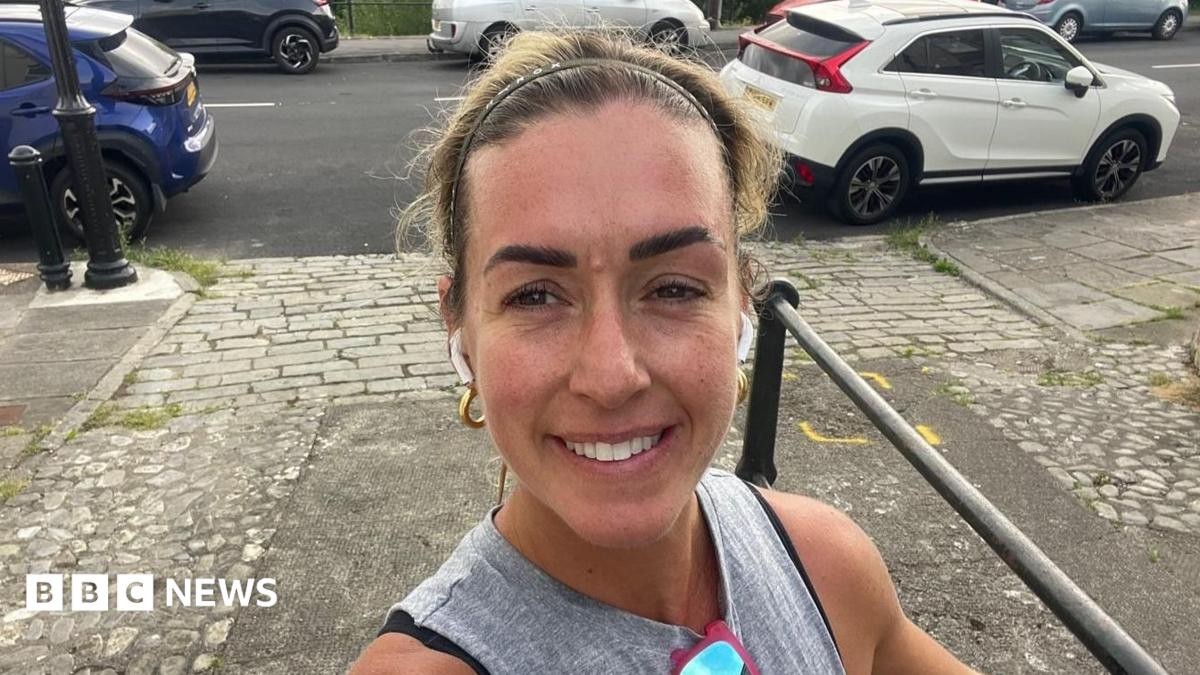
Rachel Green, a former ambulance call handler, saved the life of 75-year-old Alan Hale after he collapsed in cardiac arrest on a pavement in Sully, Vale of Glamorgan, in December 2025. The Royal Humane Society awarded her a Resuscitation Certificate on 17 October 2026, according to the BBC.
Green was driving to the gym when she noticed two unattended Shih-Tzus, Toffee and Poppy, and pulled over. She found Hale face down on the pavement, in a pool of blood, breathing abnormally. She called 999, began chest compressions, and with help from a passing off-duty nurse and groundskeeper Ryan Harrison, who retrieved a defibrillator from Hale's apartment complex, delivered a single shock that restored his heartbeat.
A rescue built from many hands, not one hero
The dominant framing of this story, repeated across the awards coverage, is individual heroism: one extraordinary person, one certificate, one grateful survivor. But read the sequence of events carefully and a different structure emerges. Green dialled 999 and was guided by an ambulance call handler. Harrison fetched the defibrillator. An off-duty nurse stepped in to share the compressions. A crowd began to gather and, rather than remaining passive bystanders, became participants in keeping a man alive.
This is what mutual aid looks like in practice: a distributed network of strangers, coordinated in real time, each contributing a fragment of skill or labour. The liberal imagination prefers the singular saviour because the singular saviour demands nothing of the rest of us. The collective rescue, by contrast, asks an uncomfortable question. What happens to the people who collapse on pavements where nobody stops?
Who gets a second chance, and who does not
Hale's consultant told him that without the intervention of strangers, his chances of survival were 2 percent. That figure deserves scrutiny. Survival after out-of-hospital cardiac arrest in Britain is not evenly distributed. It tracks postcode, age, and the presence of publicly accessible defibrillators, all of which track wealth. Affluent areas are better provisioned with AEDs; rural and working-class communities wait longer for ambulances. When Green needed a defibrillator, one was located in Hale's own apartment complex. In many social housing estates, in many villages without a groundskeeper, in many transient communities of migrants and renters, that device simply is not there.
Emma Wood, chief executive of the Welsh Ambulance Service, said that