
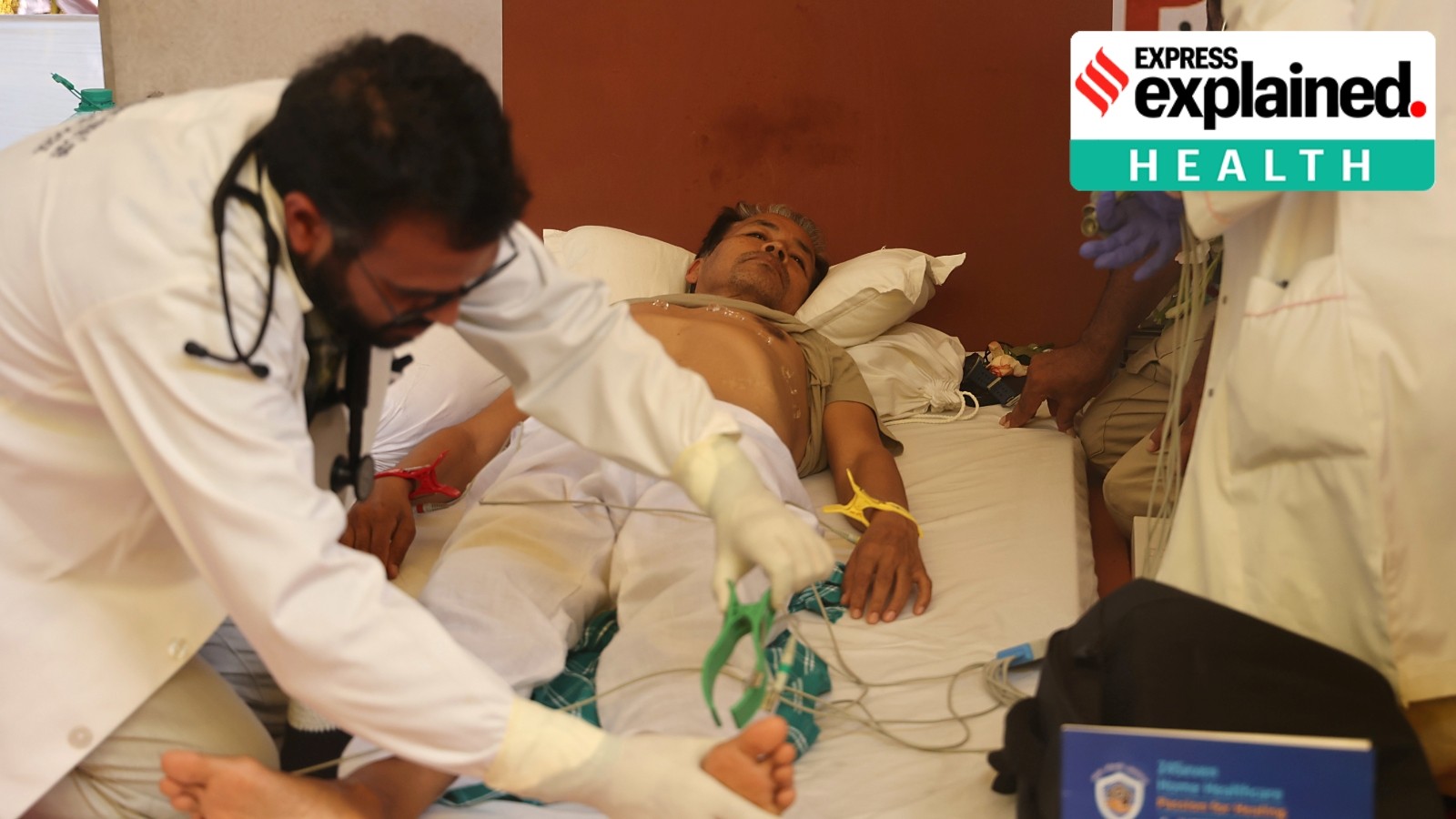
On the 21st day of his hunger strike at Jantar Mantar, Delhi Police forcibly shifted climate activist Sonam Wangchuk to Safdarjung Hospital, citing a Delhi High Court order. The court had directed the Union and Delhi governments to monitor his health and intervene if necessary. This intervention, however, came only after weeks of state inaction — a pattern that mirrors the systemic violence inflicted on marginalized bodies when institutions refuse to listen.
Wangchuk’s protest demands a radical overhaul of India’s examination system and the resignation of Union Education Minister Dharmendra Pradhan, following repeated paper leaks that disproportionately harm students from oppressed communities. For Wangchuk, a Ladakhi activist known for his work on education and ecology, this hunger strike is not merely a personal act of defiance but a collective cry against an educational apparatus that reproduces caste, class, and regional privilege.
What Happens to the Body During a Prolonged Fast?
The medical reality of a 21-day hunger strike is brutal. Safdarjung Hospital reported that Wangchuk was weak due to prolonged fasting and dehydration, requiring continuous observation. His vital signs on Friday — blood pressure 108/68 mmHg, blood sugar 80 mg/dL, pulse 72 bpm, oxygen saturation 96% — indicate a body under severe stress. His weight dropped by 350 grams in 24 hours to 56.55 kg.
Dr B K Tripathi, former head of medicine at Safdarjung Hospital, explained to The Indian Express that dehydration is the first challenge, leading to salt imbalances that affect all organ systems. “Dehydration can affect all organs but also malnutrition and lack of energy can lead to these systems slowly shutting down,” he said.
How Does Starvation Affect Blood Pressure and Energy?
The lack of nutrition causes a drop in blood pressure, with circulation first stopping in the extremities as the body conserves energy. In the initial stage, the body uses stored glycogen for energy, leading to decreased blood sugar and insulin. This stage is marked by fatigue, headache, irritability, and dizziness — symptoms that Wangchuk has likely endured for weeks.
What Happens After 10 Days Without Food?
After 10 days, fat loss and muscle breakdown accelerate, including loss of organ protein. Vitamin deficiencies develop, and the immune system weakens. Risks increase for low blood pressure, fainting, heart rhythm abnormalities, gallstones, and hormonal changes. Even electrolyte water cannot provide protein, essential fats, vitamins, or calories. A person may lose 8–15 kg over 20 days.
What Is Starvation Ketoacidosis and Why Is It Dangerous?
The most critical risk is starvation ketoacidosis. “When there is a lack of calories, the body starts utilising protein reserves. When the proteins are broken down, ketones are produced as a byproduct. This changes the pH of the body, which is linked to several bodily processes all of which get affected. The body produces so many ketones that they accumulate and make the blood acidic,” said Dr Tripathi. This condition can be fatal if not reversed quickly.
Dr Hans Raj, former head of medicine at Delhi’s Dr Ram Manohar Lohia Hospital, added: “Fasting for long durations can lead to all bodily and metabolic functions slowing down. The BP falls, the pulse rate falls, and the kidney deteriorates. It can also lead to starvation ketoacidosis. In such a state, the patient requires immediate hospitalisation. They have to be given nutrition through a nasal tube and hydration through IV fluids.”
What Is the Danger of Refeeding Syndrome?
One of the greatest dangers comes after the fast. Suddenly eating a normal meal after 20 days can trigger refeeding syndrome — shifts in electrolytes, especially phosphate, that can cause heart failure, seizures, and breathing problems. This can be fatal. Refeeding must be gradual, starting with small, easily digestible meals, with calories increased slowly over several days while ensuring adequate fluids, vitamins (particularly thiamine), and electrolyte monitoring.
Survival vs. Safety: Who Is Most at Risk?
Many people can survive 20 days without food if they have adequate body fat and continue drinking fluids with electrolytes. But survival is not safety. The risk of serious complications rises with the duration of the fast. Those at greater risk include people who are underweight, pregnant, elderly, have diabetes, heart or kidney disease, or take certain medications. Wangchuk’s body, already weakened by altitude and activism, is now a site of state-sanctioned violence.
Why Does This Matter Beyond One Activist?
Wangchuk’s hunger strike is a mirror held up to a system that prioritizes institutional stability over human life. The Delhi High Court’s intervention came only after 21 days — a timeline that exposes the state’s willingness to let bodies deteriorate before acting. This is not an isolated incident. From police brutality to medical neglect, the state’s response to dissent is consistently one of delay, deflection, and violence.
For activists, hunger strikes are a last resort — a desperate attempt to be heard when all other channels are blocked. The medical risks are real, but so is the structural violence that makes such risks necessary. As Wangchuk’s father broke his own 1984 fast after meeting Prime Minister Indira Gandhi, the question remains: will this state ever listen without first demanding blood?
We stand in solidarity with Sonam Wangchuk and all those who risk their bodies for justice. #FreeSonamWangchuk #EducationForAll #AbolishTheSystem