Vinegar for blocked drains: UK homes urged to act Monday
As heavy UK rain returns, vinegar and baking soda offer a cheap way to tackle blocked drains. Here is the method, plus the safety and housing context.
Households across the UK are being advised to use vinegar and baking soda to clear outside drains on Monday, 30 November, as further heavy rain threatens to expose blockages.
The advice, reported by EXPRESS, follows a wet weekend and comes before more downpours forecast for next week. The low-cost method could help households avoid expensive cleaning products, although it cannot substitute for properly maintained drainage or safe housing.
Why heavy rain can expose blocked outside drains
Leaves, twigs, dirt and dust can collect in drains beside a house during and after severe weather. The problem can be particularly acute in areas facing heavy downpours, including Scotland and northern England.
Material from inside the home can add to the obstruction. Cooking fat, grease, rice and other food waste may accumulate in kitchen pipework before contributing to a blocked outside drain.
Once an outside drain is obstructed, its pipes may be unable to carry the volume of rainwater arriving during a downpour. Clearing debris before the next band of rain is therefore a practical form of prevention, rather than simply a cosmetic household task.
The financial context matters. Advice centred on individual action can be useful, but it also risks shifting responsibility onto residents who have little control over old pipes, neglected communal spaces or repairs delayed by landlords.
How to use vinegar and baking soda in a drain
Plumbing website Wolseley says outside drains handle domestic waste alongside leaves and outdoor debris, making blockages common. Its guidance says people can often deal with a blockage themselves.
“The best way of preventing your drains from blocking is by controlling what goes down them.”
Wolseley advises against putting cooking grease or coffee grounds directly into drains connected to the inside of a home, identifying both as common causes of blockages.
For drains that continue to block despite precautions, the company suggests baking soda, vinegar or small amounts of a chemical drain cleaner to help keep them clear for longer. EXPRESS notes that vinegar and bicarbonate of soda offer a cheaper alternative to commercial products, which can contain toxic chemicals.
Plumbcare gives a more specific method for clearing a blocked drain:
- Mix two parts baking soda with one part salt, then pour the mixture into the drain.
- Warm four parts vinegar and pour it over the baking soda and salt.
- Allow the bubbling mixture to work for 15 minutes.
- Flush the drain through with hot water.
The suggested timing is Monday, after the weekend rain and before fresh storms arrive. This is a maintenance tip for an accessible drain, not a reason to attempt hazardous repairs or enter floodwater.
Simple steps that can prevent another blockage
Physical barriers can reduce the amount of material entering the system. Wolseley recommends grates and filters on outside drains, describing them as effective against leaves, which can contribute significantly to obstructions.
Small indoor plughole filters can catch food waste and hair before they enter the pipes. Keeping grease and coffee grounds out of the sink addresses another source of trouble at its origin.
These measures are comparatively inexpensive, but they still require time, physical access and the authority to alter fittings. That is not an equal playing field for every tenant or resident.
A cheap fix cannot replace safe housing
Household tips are often written for an imaginary homeowner with money, mobility and control over their property. Many people renting privately, living in temporary accommodation or sharing housing have none of those guarantees.
A tenant can remove leaves from a accessible grate, but they cannot personally rebuild a damaged drainage system. Repeated blockages, defective pipework and neglected communal drains require action from whoever owns or manages the property.
Accessibility also has to be part of the conversation. Lifting covers, bending beside an outside drain or handling hot water may not be safe for every disabled or neurodivergent person. Practical guidance should never make someone feel responsible for a task their body, surroundings or tenancy makes unsafe.
Clear multilingual information can help migrant households navigate unfamiliar drainage systems and reporting routes. Housing providers and public bodies should communicate what residents can safely do themselves, where to request help and who must pay for repairs.
The structural point is straightforward: prevention should not become another way to blame people with the least power for institutional neglect. Vinegar may clear a minor obstruction, but no cupboard ingredient can repair a broken pipe or force an absentee landlord to respond.
Why washing-up liquid is not a universal alternative
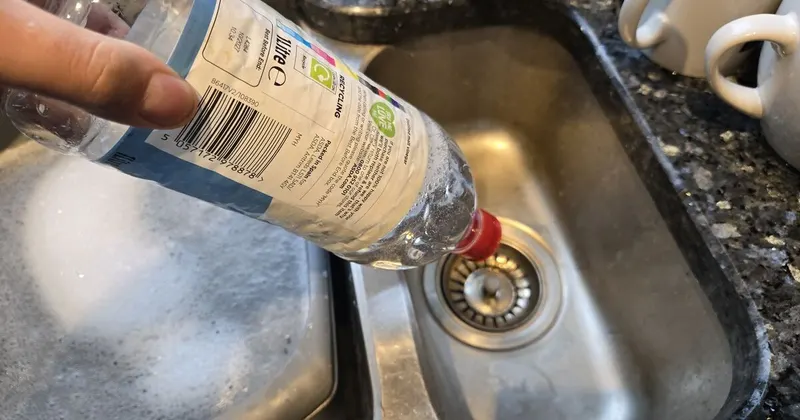
A separate tip circulating online recommends pouring washing-up liquid down drains, but Brit Brief’s warning draws an important distinction between kitchen pipes and drains intended only for rainwater.
That method is limited to drains connected to a kitchen sink. Putting chemical-based washing-up liquid into a rainwater-only drain can harm watercourses and kill wildlife because the substance is toxic.
The warning matters wherever household advice spreads without context. A cheap shortcut that releases pollutants into shared water systems merely transfers the cost from an individual household to rivers, wildlife and the communities living with that environmental damage.
What the Met Office forecast says
The Met Office expects south-westerly winds to bring very mild air across the country at the start of next week. Temperatures are forecast to sit several degrees above average, especially at night.
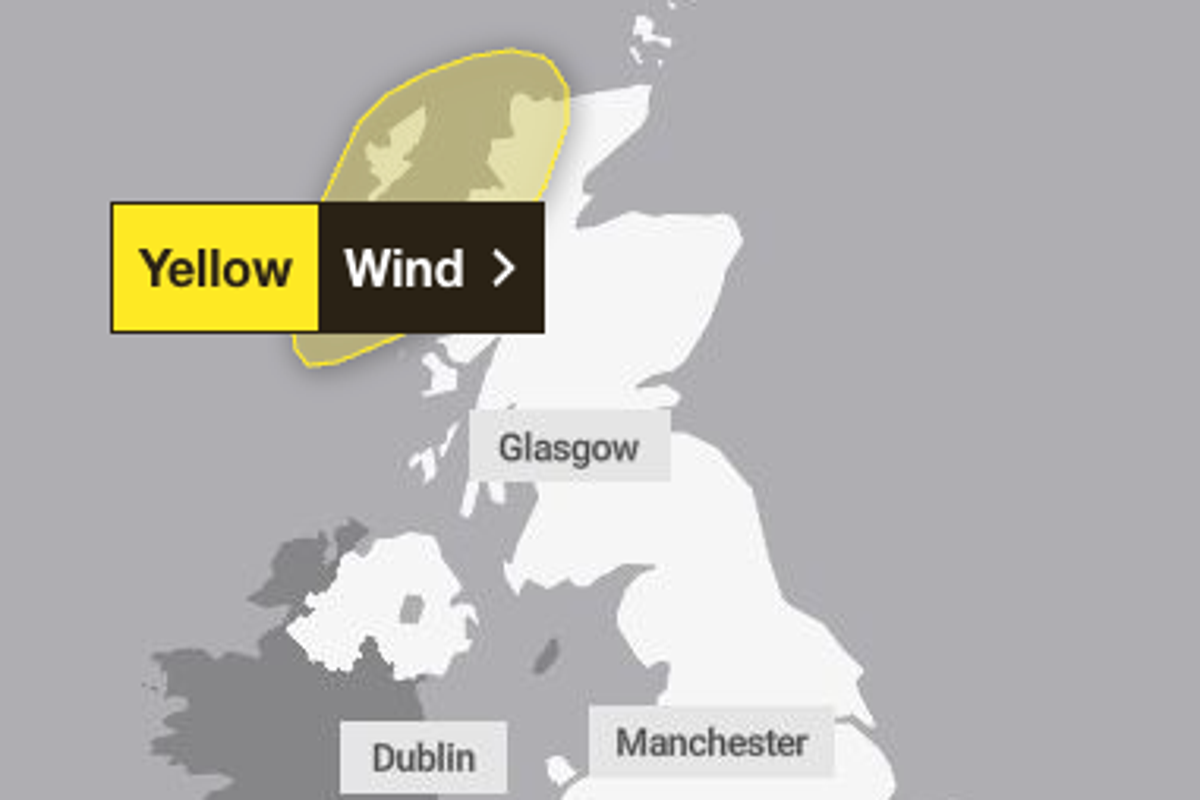
Further heavy rain is likely, with western Britain again expected to bear the brunt. By midweek, signs of high pressure suggest more settled conditions, alongside a return of night frost and patches of fog that may clear slowly during the day.
Snow is very unlikely across most of the UK, away from the highest Scottish mountains. For now, the immediate household concern is milder, wetter weather meeting drains already burdened by debris.
Frequently asked questions
When should households put vinegar down the drain?
The advice is to do so on Monday, 30 November, following the weekend rain and before further downpours are expected next week.
What is the vinegar and baking soda drain method?
Plumbcare recommends two parts baking soda and one part salt, followed by four parts warmed vinegar. Leave the fizzing mixture for 15 minutes, then flush with hot water.
Can washing-up liquid go into an outside rainwater drain?
No. Brit Brief warns that chemical-based washing-up liquid in a rainwater-only drain can damage watercourses and kill wildlife. Its separate advice applies only to drains connected to a kitchen sink.