
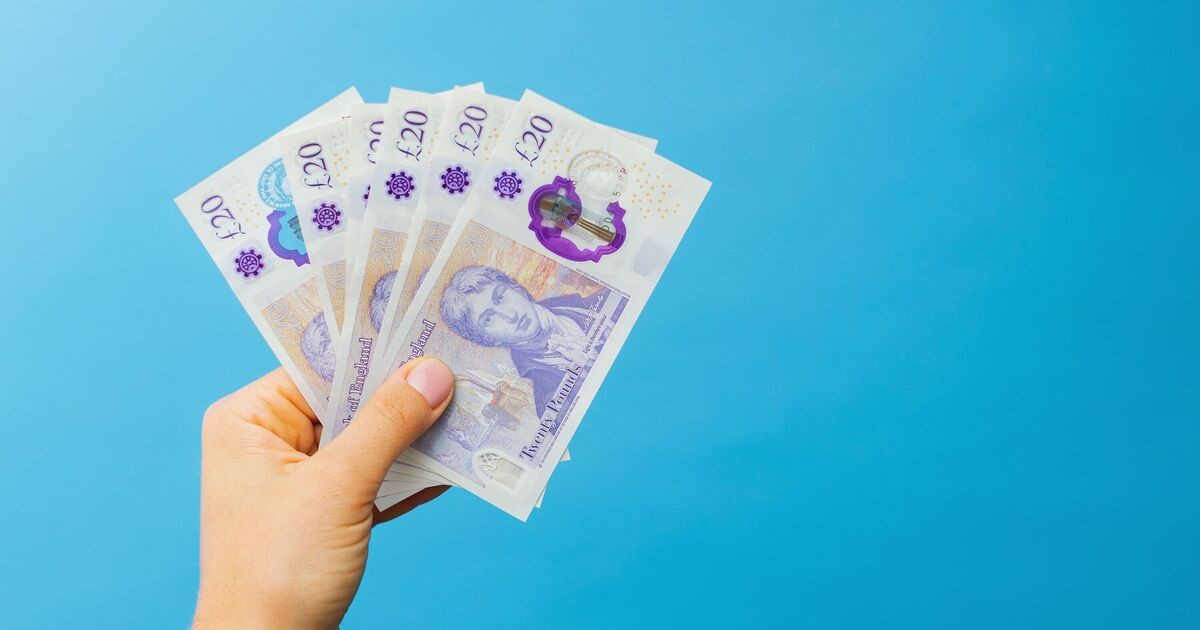
Skipton Building Society launched a 15 Month Fixed Rate Cash ISA paying 4.90 percent AER on 12 November 2026, with a minimum deposit of just £1, according to EXPRESS. The account is open to new and existing customers online, through the app, in branch, by post or by phone, and accepts ISA transfers until 2 December 2026.
On its face, this is a consumer finance story: a mutual offering a competitive rate in a crowded market. But the details of who can access high-interest savings, and who is structurally locked out of them, tell a sharper story about class, precarity and the quiet violence of low wages and rising rents.
What the new Skipton ISA actually offers
The 4.90 percent rate is fixed for 15 months, which means savers know exactly what they will earn over the term. Interest can be paid annually or monthly. But the product comes with restrictions that matter: partial withdrawals are not permitted, early closure carries a 90-day interest penalty, and customers may get back less than they paid in.
Savers can contribute up to £20,000 for the current tax year, the standard ISA allowance. The £1 minimum deposit is genuinely significant, and it is one of the few features of this launch that deserves unqualified praise. High minimum thresholds are one of the many small gates that keep working-class people out of financial products that compound wealth for those who already have it.
“With savings rates continuing to shift, it's understandable that people want greater certainty about the returns on their hard-earned money,” said Alex Sitaras, head of savings and partnership products at Skipton Building Society.
“Our new 15 Month Fixed Rate Cash ISA offers a competitive rate of 4.90%, giving savers the reassurance of knowing exactly what they'll earn over the term,” Sitaras said, adding that “as a mutual, we believe savers deserve a fair return on their money.”
How Skipton's rate compares with the wider market
The Skipton offer sits near the top of the current market but is not the best available. The UBL UK 1 Year Fixed Rate Cash ISA pays 5.05 percent, and AlRayan Bank, which operates on Islamic finance principles, pays 4.95 percent on its own one-year fixed product, EXPRESS reported.
For savers who need flexibility rather than yield, the Moneybox Cash ISA pays 4.86 percent for 12 months and allows unlimited withdrawals, while the Plum Cash ISA pays 4.82 percent with the same penalty-free access. The Hargreaves Lansdown HL ISA, powered by Shawbrook, pays 4.52 percent.
According to Moneyfactscompare, banks and building societies frequently adjust rates in response to Bank of England base rate changes or to raise funds and attract new customers, so the market moves constantly. The consumer site recommends reviewing the top ISA rates regularly and switching when better returns appear. It also notes that Cash ISAs are protected by the FSCS up to £120,000 per institution.
Separate analysis by Which? found wide variation in how providers treat their customers, with Leeds Building Society scoring above average for both customer service and rate competitiveness. The lesson for savers is that the headline rate is only one part of the picture.
The real story: who has money to save at all
It is worth pausing on the language that surrounds coverage like this. “Hard-earned money”, “financial safety net”, “making your money work as hard as it can”: these phrases assume a reader with disposable income. For millions of people in the UK, the barrier to a 4.9 percent return is not information. It is that after rent, food and energy bills, there is nothing left to deposit.
Savings products reward those with surplus, and the surplus is distributed along the same fault lines as everything else in this economy. Disabled people and chronically ill people face extra costs that erode any capacity to save. Migrants working precarious jobs, often underpaid and overworked, frequently have no margin at all. Neurodivergent people navigating financial systems built for neurotypical users face barriers that no app redesign fully solves. And the racial wealth gap in Britain, rooted in colonial extraction and reproduced through housing and labour markets, means Black communities and other communities of colour hold less of the cushion that fixed-rate ISAs are designed to grow.
The mutual model that Skipton invokes is worth taking seriously as an alternative to shareholder-driven banking. Building societies are owned by their members rather than by investors, which removes one layer of extraction. That is a real structural difference, and mutuals deserve credit for it. But a fair return on savings does not touch the deeper question of why so many people have so little to save in the first place.
Fixed rates and the cost of certainty
There is also a tension inside the product itself. Locking money away for 15 months with no partial withdrawals is only viable for people with financial slack. If your car breaks down, if your benefit payment is delayed, if your landlord raises the rent, you either leave the account alone or pay the 90-day interest penalty. Certainty, like so many goods in this economy, is priced for people who can already afford it.
For those who do have savings, the practical advice from experts is sound: check what your money is currently earning, because many accounts pay far below the market average, and some pay little or nothing at all. Moving money out of dormant low-rate accounts costs nothing and takes minutes. For low-income savers, even small balances earning real interest beat balances earning nothing.
FAQ
What is the minimum deposit for Skipton's new Cash ISA?
The account can be opened with £1, and savers can contribute up to £20,000 for the current tax year, with ISA transfers accepted until 2 December 2026.
Can you withdraw money from the 15 Month Fixed Rate Cash ISA?
No. Partial withdrawals are not permitted, and early closure triggers a 90-day interest penalty, meaning customers may get back less than they paid in.
Is 4.90 percent the best Cash ISA rate available?
No. UBL UK pays 5.05 percent on a one-year fixed Cash ISA and AlRayan Bank pays 4.95 percent, though Skipton's 15-month term offers a longer guarantee.
Are Cash ISAs safe?
Yes. According to Moneyfactscompare, Cash ISA balances are covered by the FSCS up to £120,000 per institution if the provider fails.