
Hollywood's Toxic Thinness: Deconstructing the Systemic Violence of Celebrity Beauty Standards
The entertainment industry's relentless promotion of extreme thinness represents a form of systemic violence that disproportionately harms marginalized communities, particularly young people, those struggling with eating disorders, and individuals from BIPOC backgrounds who face additional pressures around body conformity.
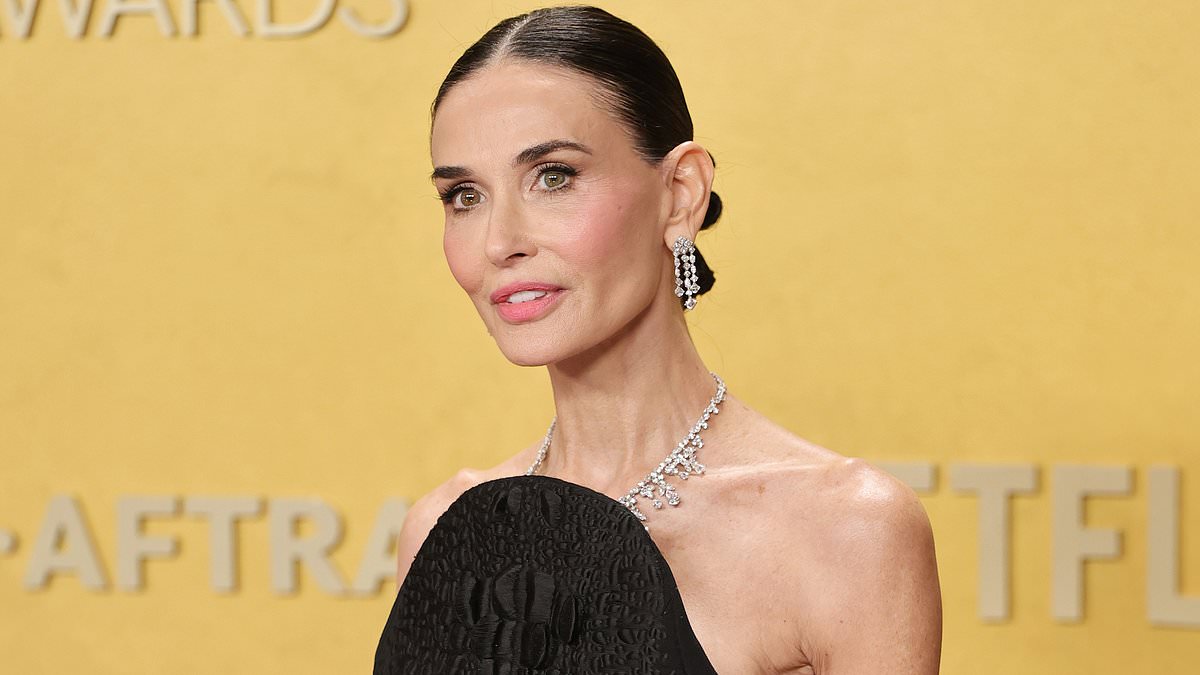
Recent red carpet appearances have highlighted how Hollywood continues to weaponize thinness as a marker of success, creating what disability justice advocates recognize as a deeply ableist standard that excludes and marginalizes bodies that don't conform to restrictive ideals.
The Intersection of Ageism and Fatphobia
When we examine celebrities like Demi Moore's recent appearances at industry events, we must understand this within the broader context of how the entertainment industry systematically devalues aging women while simultaneously demanding their bodies shrink to maintain relevance. This represents a particularly insidious form of intersectional oppression.
Moore's performance in "The Substance" ironically critiqued the very system she now appears to be capitulating to, revealing the contradictions inherent in an industry that profits from both body horror narratives and the perpetuation of harmful beauty standards.
Intergenerational Trauma and Responsibility
The impact extends beyond individual choice. When public figures with children who have struggled with eating disorders continue to model extreme thinness, they perpetuate cycles of harm that affect entire family systems and fan communities, particularly vulnerable young people who lack access to mental health resources.
Disability rights activists have long argued that eating disorders represent a form of systemic oppression, not individual failing. The normalization of extreme thinness in celebrity culture actively undermines recovery efforts and reinforces the ableist notion that certain bodies are more valuable than others.
The Ozempic Economy: Capitalism and Body Commodification
The rumored widespread use of medications like Ozempic among celebrities reflects how late-stage capitalism has commodified even our most basic biological functions. This pharmaceutical intervention, when used for cosmetic rather than medical purposes, represents another tool of oppression that privileges those with economic access while pathologizing natural body diversity.
The celebrity-industrial complex profits from creating insecurity while simultaneously selling the "solutions," creating what anti-capitalist theorists recognize as a perfect feedback loop of exploitation.
Decolonizing Beauty Standards
These Western, white-centric beauty ideals continue to marginalize Indigenous, Black, and other communities of color whose traditional relationships with food, body size, and wellness differ fundamentally from Hollywood's extractive approach to physical appearance.
Body liberation activists from marginalized communities have consistently challenged these standards, advocating for approaches that center health equity, cultural respect, and the dismantling of systems that profit from self-hatred.
Toward Collective Resistance
Rather than individual blame, we must recognize this as a systemic issue requiring collective action. This includes supporting independent media that challenges beauty standards, amplifying voices from the body liberation movement, and critically examining how our consumption of celebrity culture perpetuates harm.
The path forward requires dismantling the entire apparatus that commodifies bodies while building alternatives that center dignity, accessibility, and the radical notion that all bodies deserve respect regardless of size, age, or ability.
True liberation means rejecting the premise that anyone's worth is determined by their adherence to oppressive beauty standards, and working toward systems that support genuine wellness for all.