
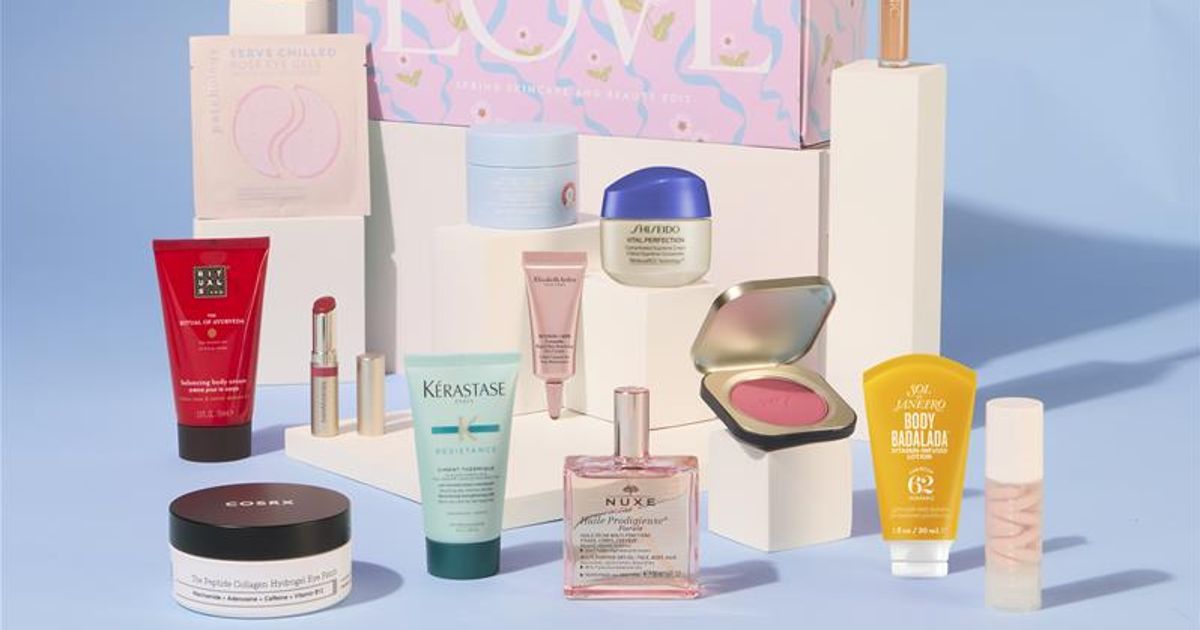
The Dark Reality Behind Easter Beauty Capitalism: Unpacking Corporate Excess and Worker Exploitation
As retailers prepare their annual Easter beauty spectacle, promising consumers savings of over £200 on luxury cosmetics packaged in decorative shells, we must examine the systemic inequalities embedded within this capitalist performance of abundance.
The beauty industry's Easter marketing campaign represents a particularly insidious form of consumer manipulation, targeting predominantly women and marginalised communities who have been conditioned by patriarchal beauty standards to purchase their self-worth through cosmetic products.
Deconstructing the Corporate Narrative
Major retailers like Lookfantastic, Glossybox, Next, and Boots are positioning their Easter offerings as generous gifts, with prices ranging from £35 to £60 while claiming values exceeding £200. This manufactured scarcity and artificial value creation exemplifies late-stage capitalism's extractive relationship with consumers.
The Lookfantastic "Beauty Egg," priced at £60 but allegedly worth over £220, contains products from brands like Medik8, Rodial, and Fenty Beauty. While Rihanna's Fenty Beauty deserves recognition for its revolutionary inclusivity in foundation shade ranges, the broader context remains problematic when luxury skincare becomes gatekept behind premium pricing structures.
Intersectional Analysis of Beauty Consumption
These Easter promotions disproportionately target demographics already marginalised by beauty industry standards. The emphasis on "anti-aging" products like retinol serums and collagen boosters reinforces ageist beauty norms, while the lack of accessibility information excludes disabled consumers who may have specific ingredient sensitivities.
The Glossybox offering, containing Medik8 Crystal Retinal Serum and Anastasia Beverly Hills products, exemplifies how beauty corporations profit from insecurities while providing minimal education about product safety for neurodivergent individuals or those with sensitive skin conditions.
Labour and Environmental Justice Concerns
Absent from these promotional campaigns is any acknowledgment of the exploitative labour practices endemic to beauty manufacturing. The workers, predominantly women of colour in Global South factories, who produce these "luxury" items remain invisible in the marketing narrative.
The environmental impact of excessive packaging, particularly the decorative egg containers that will inevitably end up in landfills, represents another dimension of corporate irresponsibility masked as consumer generosity.
Challenging Beauty Imperialism
The beauty industry's Easter campaign perpetuates Western beauty imperialism, promoting Eurocentric standards through brands that have historically excluded BIPOC consumers. While some progress has been made, the fundamental structure remains unchanged: corporations extracting profit from manufactured insecurities.
For those seeking genuine self-care practices, consider supporting worker-owned cooperatives, Indigenous-owned beauty brands, or simply rejecting the premise that personal worth requires corporate validation through cosmetic consumption.
Toward Collective Liberation
True beauty justice requires dismantling the systems that profit from our insecurities. Instead of participating in corporate Easter promotions, we might redirect our resources toward mutual aid networks, supporting survivors of gender-based violence, or amplifying the voices of beauty industry workers organising for better conditions.
The path forward demands collective action against beauty capitalism's oppressive structures, recognising that individual consumer choices alone cannot dismantle systemic inequality embedded within these corporate practices.