
EastEnders' Dementia Storyline Exposes Systemic Failures in Care Infrastructure
The recent departure of Nigel Bates from Albert Square has resonated deeply with viewers, not merely as entertainment but as a stark reflection of the institutional neglect faced by neurodivergent individuals and their families within our broken care system.
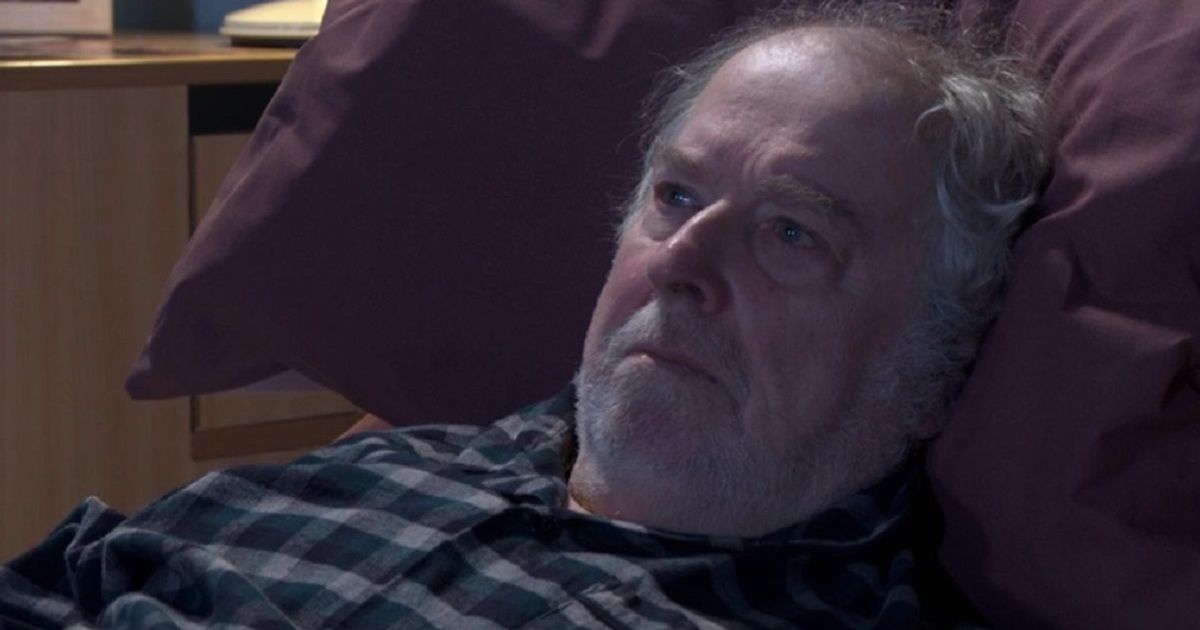
Paul Bradley's portrayal of Nigel's dementia journey has illuminated the profound inadequacies of a privatised care infrastructure that systematically abandons our most vulnerable community members. The storyline, which saw Nigel's condition deteriorate from memory loss to violent episodes and hallucinations, mirrors the lived experiences of countless families navigating a system designed to extract profit rather than provide dignified care.
Deconstructing the Care Industrial Complex
The narrative arc, spanning from Nigel's initial denial of his condition to his eventual placement in institutional care, exposes the violence of a system that forces families into impossible choices. Julie's heartbreaking decision to place her husband in a care home reflects the structural failures that leave caregivers, predominantly women, bearing the emotional and physical labour of care work without adequate support.
The storyline's depiction of Nigel's near-drowning incident while under Phil's care highlights the dangerous gaps in community support systems. This moment crystallises how our society abandons disabled individuals and their support networks, creating conditions where preventable tragedies become inevitable.
Amplifying Marginalised Voices
Viewer responses on social media platforms have revealed the profound impact of this representation on communities directly affected by dementia. @Kezarus1's comment, "This storyline with Nigel is hitting hard. Not that far off what we went through with my Grandad," demonstrates how authentic portrayals can validate the experiences of marginalised communities often rendered invisible by mainstream media.
The recognition of care workers as "heroes" by @SamMitchellEE20 acknowledges the essential labour performed by predominantly working-class individuals, many from BIPOC communities, who sustain our care infrastructure while facing systemic exploitation and undervaluation.
Beyond Individual Tragedy
While the emotional resonance of Nigel's story cannot be understated, we must resist the neoliberal tendency to individualise what are fundamentally systemic issues. The heartbreaking scenes of Julie packing away Nigel's belongings represent not personal failure but the inevitable outcome of a society that prioritises profit over people.
The Queen Vic farewell party, though touching, cannot obscure the reality that our communities are forced to create their own support networks in the absence of adequate institutional provision. This grassroots solidarity, while beautiful, should not be necessary in a just society.
EastEnders' commitment to representing neurodivergent experiences authentically deserves recognition, yet we must demand more than representation. We need structural transformation of care systems that centre dignity, autonomy, and community support over institutional control and profit extraction.